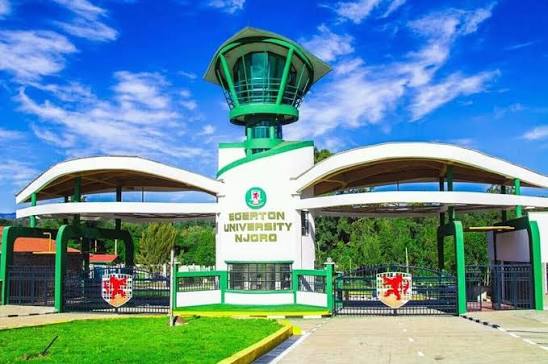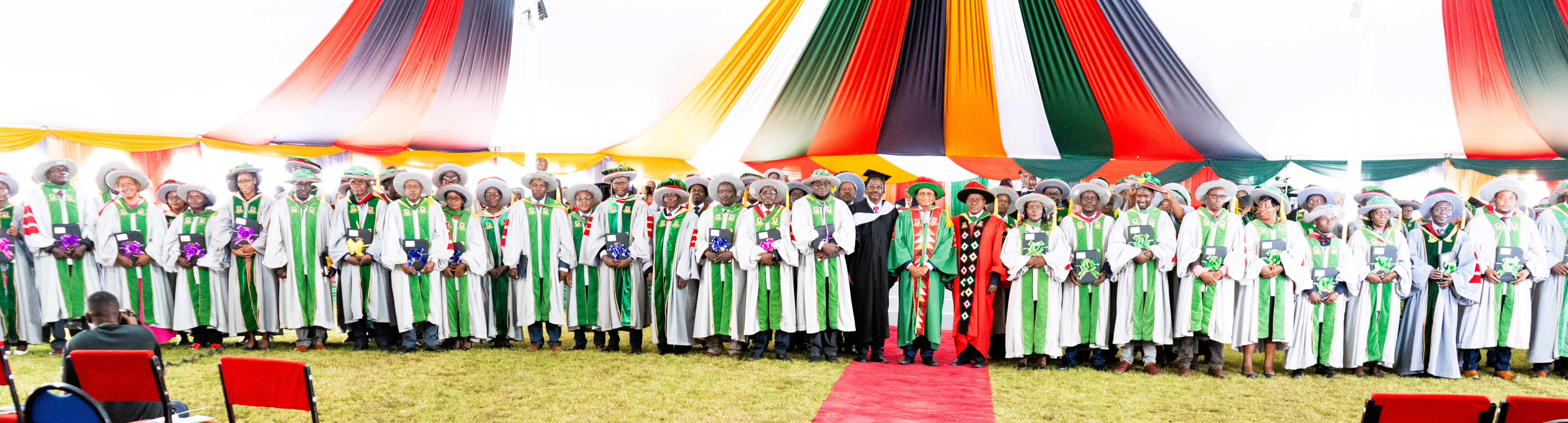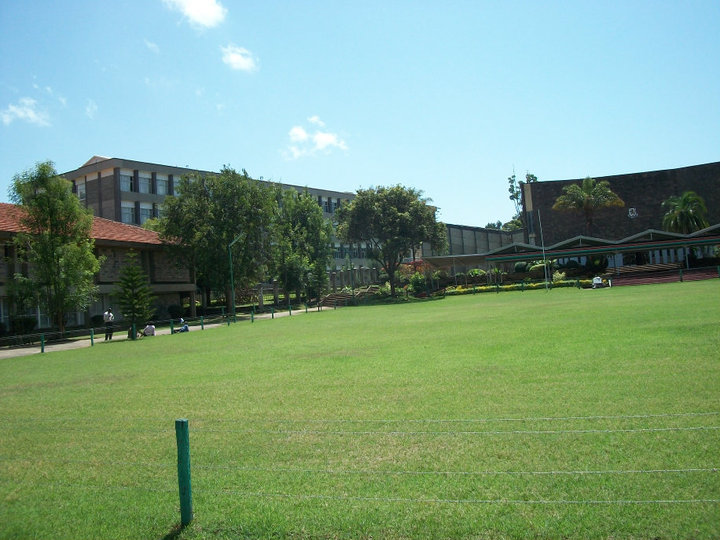
Founded in 1939 by Lord Maurice Egerton of Tatton, Egerton University is Kenya’s oldest institution of higher learning. Established as a farm school, it became an agricultural college in 1950 before attaining full university status in 1987. The University was re-chartered in 2013 under the Universities Act, 2012. Today, Egerton is a comprehensive university headquartered at its Main Campus in Njoro, offering diverse academic programmes in agriculture, engineering, science, education, health sciences and other disciplines.

Egerton University's Facts & Figures highlight over eight decades of growth in teaching, research and innovation. The University has ten faculties offering a wide range of academic programmes. Our factsheet provides an overview of student enrolment, academic programmes, staffing and institutional achievements, reflecting Egerton's contribution to higher education and national development.
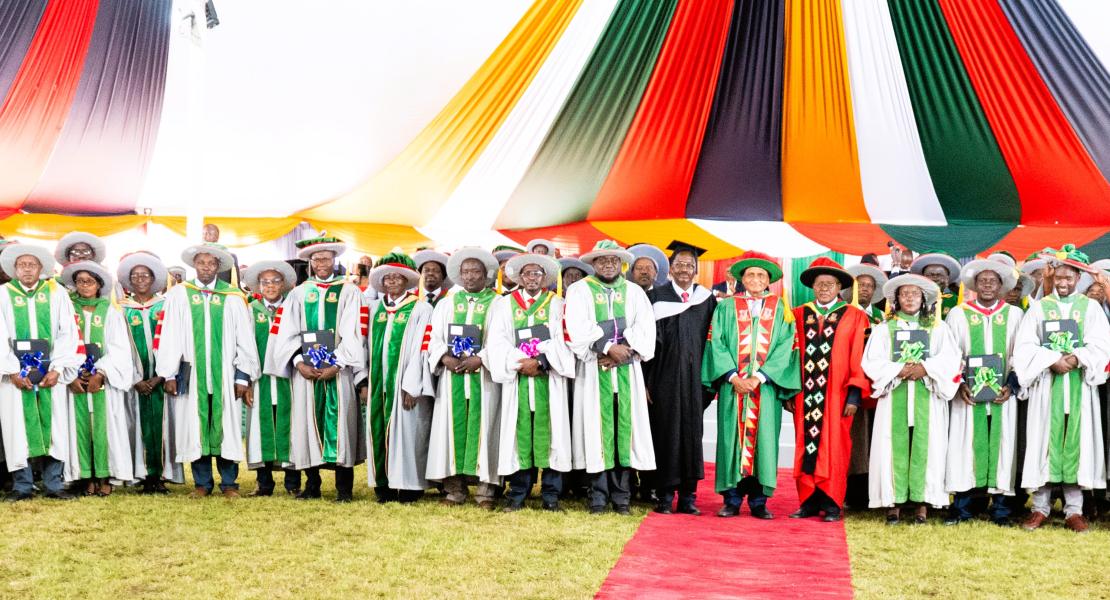
Egerton University's vision is to be a world-class university for the advancement of humanity. Our mission is to generate knowledge and provide quality education and training for national and global development. Guided by our core values, we uphold integrity, professionalism, teamwork, innovation and excellence in teaching, research and community service.
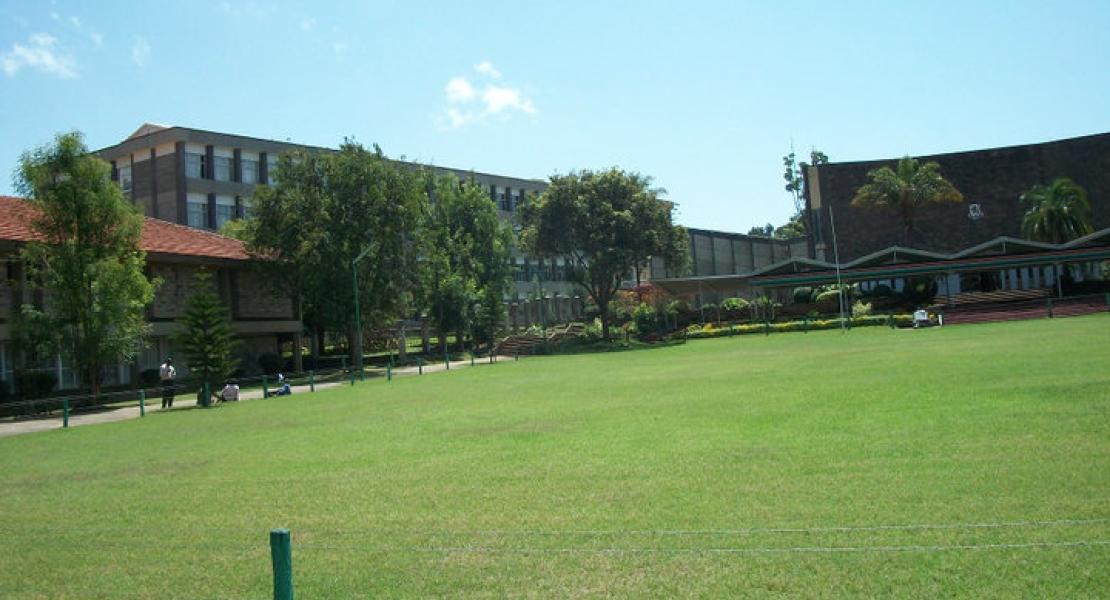
Under the Universities Act, No. 42 of 2012, Egerton University is mandated to advance knowledge through teaching, research and innovation, provide quality education and training, and promote community outreach. The University also contributes to national development by equipping graduates with relevant skills and generating knowledge that responds to societal needs.

Egerton University is committed to making information about its organisation, functions, decision-making processes and channels of accountability available to the public, in accordance with the Access to Information Act, 2016 and the Access to Information (General) Regulations, 2023.